Scratching Noises in the Attic: What Could Be Making the Sound?
Published: 2026-09-01 | Published by Pest Control Rosenberg
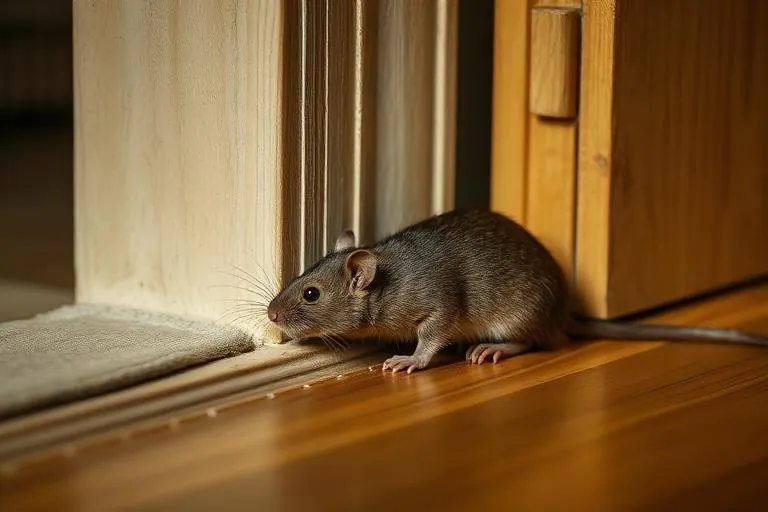
Quick Diagnostic Key: What Causes Attic Scratching?
- Nighttime Sounds (After Dark): Nocturnal rodents (Roof Rats, House Mice) moving across ceiling drywall.
- Daytime Sounds (Morning/Afternoon): Diurnal wildlife (Tree Squirrels, Birds) active in rooflines.
- Dusk / Dawn Sounds: Bats emerging or returning from roofline crevice roosts.
- Rhythmic Popping / Ticking: HVAC sheet-metal duct thermal expansion or plumbing line movement.
Lying in bed at night and hearing unexplained scratching, scurrying, or tapping sounds above your ceiling can be unsettling. In Texas homes—where attics provide sheltered, climate-moderated spaces above living areas—unusual noises are a common reason homeowners suspect wildlife or rodent activity.
However, a fundamental principle of structural pest management is that sound alone cannot identify an animal. Acoustic vibrations travel easily through drywall, ceiling joists, and sheet metal ductwork, making small animals sound surprisingly loud and making mechanical noises sound like living creatures.
This guide explains what different attic sounds and activity times may indicate based on research from the Texas A&M AgriLife Extension Service and the Texas Parks & Wildlife Department (TPWD), outlines common non-animal sound sources, and provides safe, practical steps for evaluating your property.
Quick Answer: What Causes Scratching Noises in an Attic?
Scratching or scurrying noises in an attic are commonly linked to three broad categories:
Nocturnal Rodents (Rats and Mice)
In Texas, roof rats (Rattus rattus) and house mice (Mus musculus) are agile climbers that frequently harbor in attics and soffits, creating scratching, gnawing, and scurrying sounds primarily after dark.
Diurnal Wildlife (Squirrels and Birds)
Tree squirrels and nesting birds are active during daylight hours, typically producing scampering or fluttering noises in the early morning or afternoon.
Mechanical or Structural Sounds
Expanding and contracting HVAC ductwork, plumbing water lines, and tree branches rubbing against roof shingles can produce rhythmic tapping or scraping sounds that mimic animal activity.
Diagnostic Principle: While timing (night vs. day) and sound characteristics provide valuable clues, confirming what is causing the noise requires physical corroborating evidence, such as droppings, gnaw marks, visible entry gaps, or direct observation.
What Attic Sounds May Indicate by Time of Day
The time of day you hear noises is one of the most useful initial clues, though animals can occasionally alter their activity if disturbed:
| Time of Activity | Potential Biological or Mechanical Causes | Helpful Clues to Consider |
|---|---|---|
| Nighttime (After Dark to Dawn) | Roof Rats, House Mice, Bats (evening flight) | Rodents are primarily nocturnal; look safely for dark droppings or chewed packaging in accessible areas. |
| Daytime (Morning to Afternoon) | Tree Squirrels, Birds, Thermal Expansion | Squirrels and birds are active during daylight; observe exterior rooflines for exterior animal movement. |
| Dusk and Dawn (Sunset / Sunrise) | Bats Emerging/Returning, Rodent Awakening | Bats typically leave roosts around sunset; listen for high-pitched chittering or soft fluttering near roof vents. |
| During High Wind Events | Tree Branches, Loose Soffit Panels | Intermittent scraping that correlates directly with outdoor wind gusts suggests exterior physical contact. |
Why Attic Sounds Can Be Misleading
Before assuming a specific animal is in your attic, consider how building construction influences sound transmission:
1. Amplification Effect of Ceilings and Ducts
Drywall, plaster ceilings, and hollow wall cavities act like acoustic soundboards. A small mouse weighing less than an ounce can produce surprisingly loud scratching sounds when scurrying across drywall or gnawing on wooden lath. If an animal moves along flexible or sheet-metal HVAC ducts, its steps can sound like heavy thumping.
2. Sound Direction Can Be Deceptive
Because sound waves travel along continuous wooden framing members (joists and rafters), scratching that sounds like it is directly above your bed may actually originate near an exterior soffit vent or plumbing stack twenty feet away.
3. Non-Animal Mechanical Sounds
Many suspected "animal" noises turn out to be normal mechanical functions of the home:
- HVAC Duct Expansion: When heating or air conditioning systems cycle on and off, sheet metal ductwork expands and contracts, producing rhythmic ticking, popping, or light scratching sounds.
- Plumbing Pipes: Water lines expanding against wooden studs when hot water is used can create clicking or tapping sounds.
- Tree Branches: A tree limb resting against roof shingles or fascia boards will produce intermittent scraping sounds whenever wind blows.
Potential Animal Sources in Texas Attics
When physical evidence confirms that an animal is responsible for attic sounds, Texas homeowners are most commonly dealing with one of the following species:
1. Roof Rats (Rattus rattus)
Roof rats are agile, slender rodents and exceptional climbers. Texas A&M AgriLife Extension documents that roof rats frequently utilize tree branches, utility lines, and fence tops to access elevated rooflines, attics, soffits, and wall voids.
- Sound Profile: Light to moderate scratching, scurrying, gnawing, and dragging sounds heard primarily at night.
- Physical Clues: Dark, spindle-shaped droppings (roughly 1/2 inch long with pointed ends), chewed insulation, fresh gnaw marks on wooden framing or wiring, and dark grease marks (sebum) along rafter pathways.
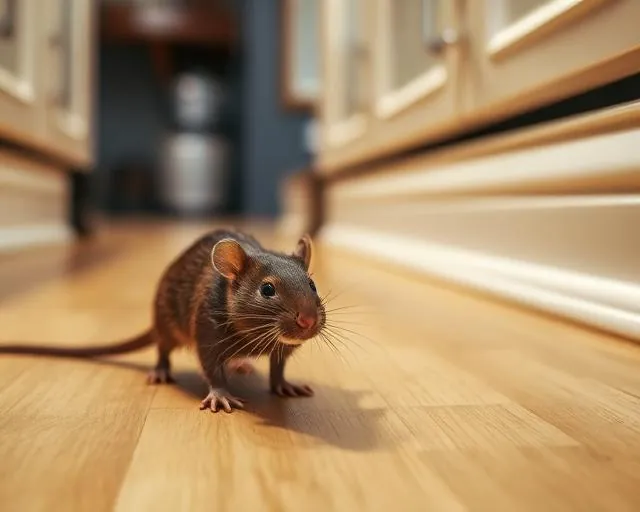
2. House Mice (Mus musculus)
Small rodents entering through openings as small as a dime, nesting in wall cavities and insulation.
- Sounds: Faint nocturnal scratching or scampering.
- Clues: Small rod droppings (~1/8" to 1/4"), shredded paper or insulation.
3. Tree Squirrels
Diurnal rodents entering through damaged fascia boards, gable vents, or roof transitions.
- Sounds: Rapid daytime scampering, rolling sounds.
- Clues: Larger gnaw marks around roof vents, daytime roofline activity.
4. Bats (Safety Considerations)
Mexican free-tailed bats roosting in roofline crevices across Texas.
- Sounds: Dusk/dawn high-pitched chittering or soft fluttering.
- CDC Rule: Never handle bats bare-handed.
- TPWD Rule: Exclusion discouraged May 1 to August 15.
Important Health & Wildlife Regulatory Notice:
According to the Centers for Disease Control and Prevention (CDC), bats are an important rabies exposure concern. Homeowners should never touch or handle a bat with bare hands. If a bat is found in a room with someone who was sleeping, an unattended child, or anyone who may be unable to rule out direct contact, contact a healthcare professional or local public health department promptly for guidance. The Texas Parks & Wildlife Department (TPWD) advises against excluding bats from buildings from May 1 through August 15 because young bats may still be unable to fly and can become trapped within the structure.
Evidence Strength: How to Evaluate Clues
Understanding the strength of different clues helps homeowners avoid jumping to conclusions based on sound alone:
| Observation | Evidence Strength | Interpretation for Homeowners |
|---|---|---|
| Nocturnal Scurrying + Rodent Droppings | STRONGER CLUE | Physical evidence consistent with rodent activity (rats or mice); requires targeted rodent management. |
| Nighttime Scratching Sound Alone | MODERATE CLUE | Consistent with nocturnal animals, but sound alone does not establish species; look safely for physical signs. |
| Daytime Scampering + Chewed Roof Vents | MODERATE CLUE | Consistent with squirrels or diurnal wildlife; requires specialized wildlife evaluation. |
| Evening Fluttering + Bats Exiting Roof Eaves | MODERATE CLUE | Consistent with a bat roost; bat management should follow current Texas wildlife agency guidance. |
| Single Isolated Thump or Bump | WEAK / NON-SPECIFIC | Could represent settling building materials, windblown debris, or animal movement; observe for repeating patterns. |
| Rhythmic Metallic Ticking Near Vents | NON-ANIMAL | Typical HVAC duct thermal expansion; check if sounds coincide with heating or cooling cycles. |
Safe Ways to Gather Information Without Entering the Attic
Homeowners should prioritize personal safety when investigating unexplained noises:
Ground-Level Investigation Steps
- Listen and Record the Timing: Keep a simple log noting the exact time of day sounds occur, what type of sound you hear (scratching vs. thumping vs. ticking), and the general room below the noise.
- Inspect the Exterior Roofline from the Ground: Walk around your home during daylight hours with binoculars. Look for broken soffit vents, chewed fascia boards, gaps where utility lines enter, or tree branches touching the roof.
- Check Safely Accessible Storage Areas: Look along the edges of ground-floor closets, laundry rooms, and attached garages for small, dark droppings or chewed cardboard boxes.
- Observe the Roofline at Dusk: Stand outside at sunset and watch the roofline, chimney, and gable vents to see if bats or birds are exiting the structure.
What NOT to Do When You Hear Attic Noises
To avoid creating secondary safety, structural, or legal problems:
Do Not Crawl Across Unsafe Attics
Walking across ceiling joists poses severe fall risks, and stepping between joists can cause you to fall through drywall ceilings. Avoid entering unfloored attic spaces.
Do Not Handle Bats or Wildlife Bare-Handed
Never attempt to catch, touch, or handle a live or dead bat, squirrel, or raccoon. Direct contact creates severe bite, scratch, and disease transmission risks.
Do Not Seal Entry Holes Prematurely
Sealing exterior openings while animals are actively inside can trap them within walls or attics. Trapped animals will attempt to chew through drywall or die in voids, creating odor hazards.
Do Not Apply Unlabeled Pesticides or Foggers
Setting off total-release foggers ("bug bombs") in an attic is ineffective against vertebrates, creates severe fire risks near gas pilot lights, and drives pests into living areas.
When Professional Rodent Control Is Appropriate
If your observations indicate that rats or mice are active around your home:
- Why Professional Management Matters: Effective rodent management involves identifying hidden structural entry points, deploying strategic interior trapping protocols, and implementing practical exclusion measures to prevent re-entry.
- Connect with Local Specialists: If physical signs—such as nocturnal scratching, spindle droppings, or gnawed wiring—point toward a rat or mouse issue around a Rosenberg or Fort Bend County property, learn more about professional rodent control services in Rosenberg.
Frequently Asked Questions About Attic Noises
What is most likely scratching in my attic at night?
In Texas, nocturnal scratching and scurrying sounds are most commonly caused by roof rats (Rattus rattus) or house mice (Mus musculus). However, sound alone cannot confirm the species; physical evidence like droppings or gnaw marks is necessary to verify rodent activity.
How can I tell if the noise is a squirrel or a rat?
The primary clue is time of activity. Squirrels are diurnal (active during daylight hours, especially morning and late afternoon), while rats are primarily nocturnal (active after dark). If you hear vigorous scampering during the day, squirrels are more likely; if sounds occur at 2:00 AM, rats or mice are more probable.
Can air conditioning ducts sound like animals scratching?
Yes. When an air conditioner turns on or off, the temperature change causes sheet metal ducts to expand and contract. This process can produce rhythmic popping, ticking, or light scratching sounds that closely mimic an animal moving above the ceiling.
Is it safe to go into the attic to look for animals?
Generally, no. Walking in an attic with loose insulation presents fall hazards, exposed wiring risks, and potential confrontation with cornered wildlife. It is much safer to look for exterior entry points from the ground and check accessible ground-floor areas for droppings.
How can I arrange rodent services with Pest Control Rosenberg?
If physical signs point toward rats or mice in your attic or home in Rosenberg or Fort Bend County, contact Pest Control Rosenberg at (877) 665-5307 or submit an online inquiry through our contact page to discuss the activity you are noticing and available rodent-control options.
Connect with Pest Control Rosenberg
For residential and commercial rodent management across Rosenberg and Fort Bend County, reach out to our local team:
- Telephone: (877) 665-5307
- Online Service Inquiry: Submit an Inquiry
- Serving: Rosenberg, TX and surrounding Fort Bend County communities
- Service Solutions: Rodent Control · General Pest Control · Termite Control · Commercial Pest Control
Pest Control Services We Offer in Rosenberg & Fort Bend County
- Exterminator in Rosenberg, TX
- Termite Control in Rosenberg, TX
- Rodent Control in Rosenberg, TX
- Cockroach Exterminator in Rosenberg, TX
- Mosquito Control in Rosenberg, TX
- Bed Bug Exterminator in Rosenberg, TX
- Ant Exterminator in Rosenberg, TX
- Spider Exterminator in Rosenberg, TX
- Wasp Control in Rosenberg, TX
- Flea & Tick Control in Rosenberg, TX
- Commercial Pest Control in Rosenberg, TX