Signs of Termites in Texas Homes: What Homeowners Should Look For
Published: 2026-09-01 | Published by Pest Control Rosenberg
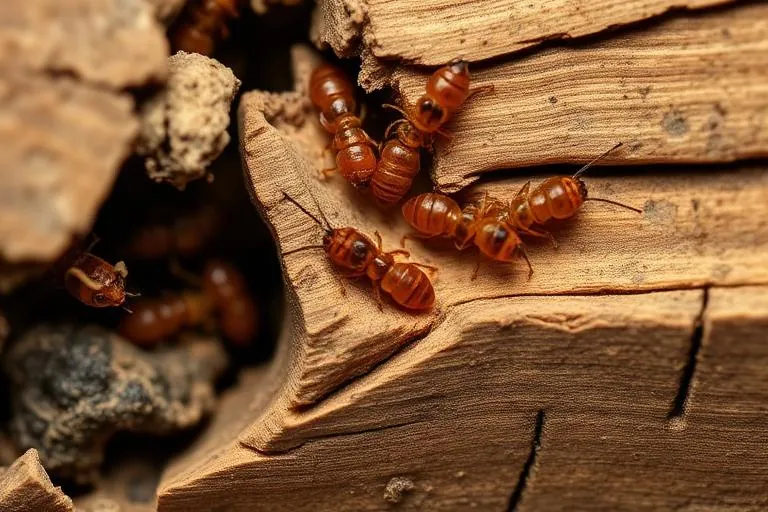
Quick Diagnostic Key: 5 Primary Termite Warning Signs
- Mud Shelter Tubes: Pencil-like earthen tunnels climbing foundation slabs or brick weep holes.
- Winged Swarmers (Alates): Reproductive flights emerging during warm spring and early summer days.
- Discarded Translucent Wings: Uniform wings shed along windowsills, door tracks, and lighting fixtures.
- Layered Wood Damage: Softwood consumed along the grain lined with dark soil residue.
- Blistered Paint or Wood Trim: Baseboards or door jambs that yield easily or appear rippled.
Termites are an integral part of natural ecosystems across Texas, breaking down fallen timber and dead plant material in the soil. However, when these social insects encounter residential structures, they can damage structural framing, baseboards, and subflooring. In Texas—and particularly throughout Southeast Texas and Fort Bend County—warm temperatures, regular humidity, and moisture create environmental conditions where subterranean termites occur as common wood-destroying pests.
Recognizing the early indicators of termite activity allows homeowners to address potential problems before structural framing suffers extensive damage. This guide outlines the primary physical signs of termite presence, compares subterranean and drywood termite evidence, explains how to tell winged termites apart from flying ants, and highlights common areas around Texas homes where signs typically appear.
Quick Answer: What Are the Main Signs of Termites in Texas?
According to entomological research from the Texas A&M AgriLife Extension Service, the primary signs of subterranean termite activity around Texas structures include:
Mud Shelter Tubes
Earthen, pencil-like pathways running across concrete foundation slabs, stem walls, brick veneer weep holes, or plumbing penetrations.
Termite Swarmers (Alates)
Winged reproductive termites emerging inside or around structures, typically during warm spring or early summer days following rain.
Discarded Wings
Small, silvery, translucent wings shed in piles along windowsills, door thresholds, and light fixtures.
Internal Wood Damage
Softwood consumed along the grain, leaving a layered, honeycomb-like pattern lined with soil and mud residue.
Blistered or Thin Wood Surfaces
Baseboards or door frames that appear bruised, bubbled, or yield easily when lightly pressed.
Diagnostic Note: Environmental conditions—such as plumbing leaks, damp soil, or sticking doors—are risk factors or secondary symptoms, not definitive proof of an active infestation. Confirming termite presence requires physical evidence of the insects, their shelter tubes, or characteristic gallery damage.
1. Mud Shelter Tubes Along Foundations
The most recognizable visible sign of native subterranean termites (Reticulitermes spp.) is the construction of mud tubes, also known as shelter tubes.
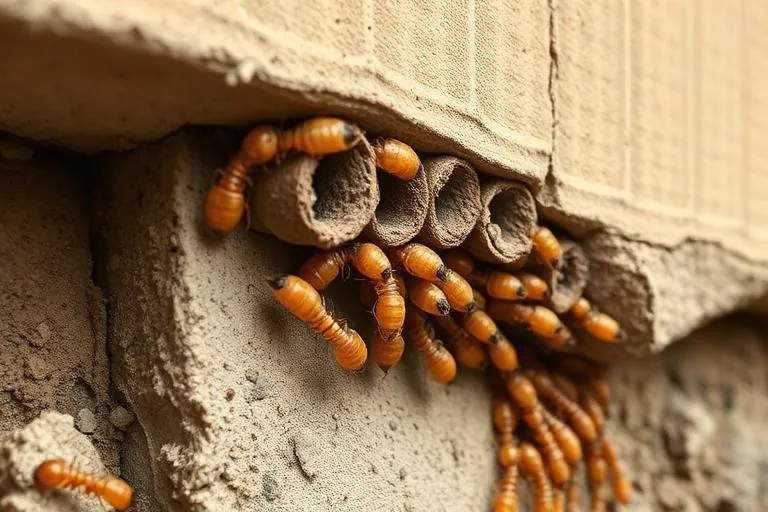
What Mud Tubes Look Like
Mud tubes are narrow, earthen pathways composed of soil particles, chewed wood debris, and secretions. They typically look like flattened, dry trails of soil running across concrete, brick, or other non-wood surfaces. Their thickness and shape can vary, often appearing pencil-like as they climb foundation walls.
Why Termites Build Them
Subterranean termites require continuous moisture to survive. Their soft bodies dry out quickly when exposed to open air and sunlight. Mud tubes serve essential functions:
- Maintain a humid, protected pathway between underground colonies and structural wood.
- Shield foraging worker termites from outdoor predators, such as ants.
- Allow termites to cross non-wood barriers, including concrete slabs and support piers.
Where to Check in Texas Homes
In slab-on-grade homes common throughout Texas, inspect:
- The exterior concrete foundation edge between the ground and bottom siding course.
- Gaps behind brick veneer and open weep holes.
- Plumbing penetrations under kitchen and bathroom sinks.
- Expansion joints in garages and patio slabs.
2. Termite Swarmers and Discarded Wings
In mature termite colonies, reproductive termites develop wings and leave the nest in synchronized flights called swarms. The biological purpose of swarming is to mate and establish new colonies in the surrounding soil.
Texas Swarming Timing
Generally swarm during spring and early summer in Texas, but exact timing varies by species, geographic location, temperature, and moisture. In southern parts of Texas, swarming can begin as early as January or February, whereas swarming in cooler northern regions may occur later in spring.
Formosan subterranean termites, which have been documented in Fort Bend County, commonly swarm at night in late May and early June and are strongly attracted to outdoor lighting.
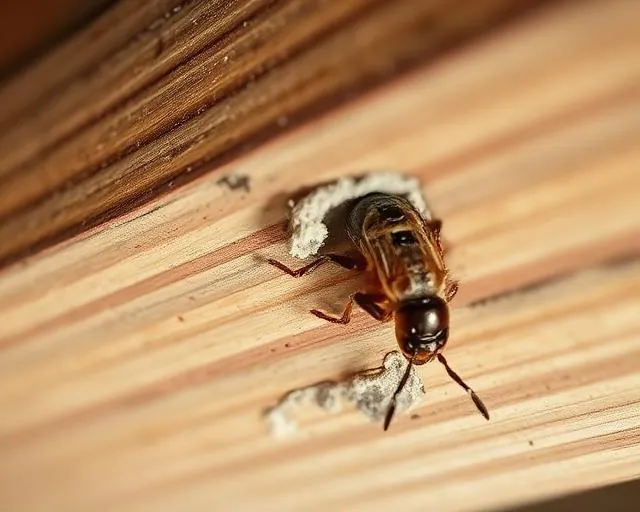
What Swarmers and Wings Indicate
Swarmers Outdoors in Yard
Seeing winged termites outdoors near trees or garden beds indicates that wild colonies exist in the neighborhood soil, which is natural throughout Texas. It does not automatically mean your house is infested.
Swarmers Emerging Indoors
Finding winged insects emerging from baseboards, electrical outlet plates, or window casings strongly suggests an active colony within or directly beneath the home.
Shed Wings on Windowsills
Swarmers are weak fliers and quickly twist off their wings after landing. Piles of uniform, translucent wings caught in spider webs, behind blinds, or along window tracks are a strong indicator that a swarming event recently occurred nearby.
Termites vs. Flying Ants: Key Differences
During spring swarming periods, winged reproductive ants (such as carpenter ants or moisture ants) often swarm around the same time as termites. Homeowners can distinguish between the two using three morphological characteristics documented by Texas A&M Entomology:
| Anatomical Feature | Termite Swarmer (Alate) | Winged Flying Ant |
|---|---|---|
| Waist Shape | Broad and uniform; no visible waist constriction | Pinched, narrow waist (distinct hourglass shape) |
| Antennae | Relatively straight and bead-like | Elbowed (distinctly bent at an angle) |
| Wing Size & Shape | Two pairs of equal size and shape; significantly longer than the body | Two pairs of unequal size; front wings are noticeably larger than hind wings |
Note on Body Color: Swarmer coloration varies across species—ranging from coal-black to pale yellow-brown in native subterranean termites—and is less reliable for identification than waist shape, antennae structure, and wing proportions.
3. Characteristic Termite Wood Damage
Subterranean termites feed on cellulose, the structural component of wood. Because they prefer the softer springwood layers over denser summerwood, their feeding pattern exhibits distinct traits:
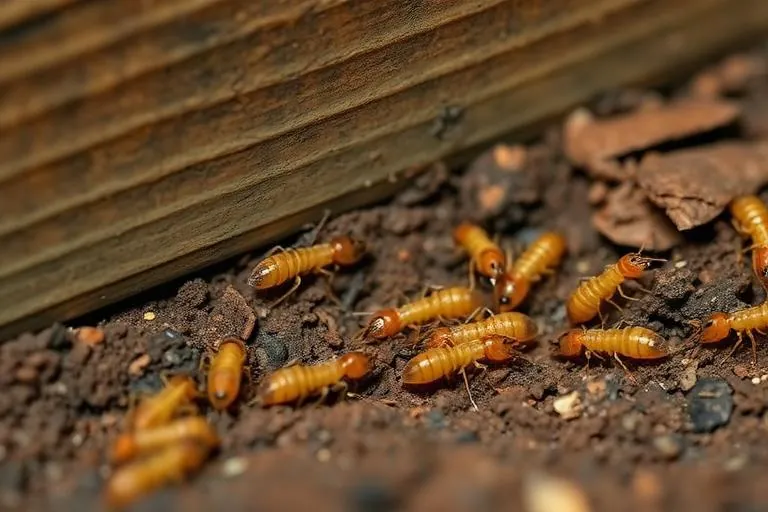
Structural Feeding Traits
- Gallery Structure: Subterranean termites hollow out wood along the grain, leaving layered, tunnel-like chambers.
- Soil and Mud Deposits: Unlike wood-destroying insects that clean their galleries, subterranean termites bring soil and mud into the wood, lining the interior tunnels with brown, earthen residue.
- Intact Surface Veneer: Termites generally feed from the inside out, often leaving a thin outer layer of paint or wood intact until lightly probed.
- Blistered Appearance: In areas with extensive feeding, painted baseboards or drywall paper may exhibit faint rippling or bubbling, resembling mild moisture damage.
4. Subterranean Termites vs. Drywood Termite Frass
A frequent point of confusion is the presence of frass (termite droppings):
Subterranean Termites Do Not Produce Pellet Piles
Because subterranean termites use their waste to construct mud tubes and line interior galleries, they do not kick dry pellets out of wood. Finding piles of sawdust-like pellets is not a characteristic sign of native subterranean termites.
Drywood Termites Produce Distinct Pellets
Drywood termites live entirely within sound timber without soil contact. They push hard, six-sided, sand-like fecal pellets out through tiny "kick-out holes." These pellets accumulate in small mounds beneath window frames, exposed rafters, or wooden trim and are strongly consistent with drywood termite activity.
5. Non-Specific Clues and Common Misidentifications
Some physical observations around a home are frequently cited as termite signs but can also result from unrelated environmental or structural conditions:
Sticking Doors and Windows
When termites hollow out structural framing around door jambs and window headers, the framing can shift slightly. However, in Southeast Texas, sticking doors and windows are far more frequently caused by high ambient humidity swelling wooden materials or seasonal foundation settling in expansive clay soils. Sticking doors alone are a non-specific clue.
"Hollow-Sounding" Wood
Tapping a screwdriver handle along baseboards or exposed framing to listen for a hollow sound can help identify voids. However, dry rot, fungal decay, and hollow-core interior trim also produce hollow tones. Tapping is an observational clue, not a definitive diagnostic test.
Termite Evidence vs. Environmental Risk Factors
Understanding the difference between actual evidence of termites and conducive risk factors helps homeowners assess their property objectively:
| Category | Observation | Meaning for Homeowners |
|---|---|---|
| Physical Sign | Suspected mud tubes climbing foundation slab | Strong physical evidence of a subterranean termite pathway; should be properly identified. |
| Physical Sign | Winged swarmers emerging from baseboards | Strong physical evidence of an active reproductive flight originating from within or beneath the structure. |
| Physical Sign | Wood hollowed along grain with dried mud residue | Direct physical damage consistent with subterranean termite feeding. |
| Risk Factor Only | Soil or landscape mulch resting above slab edge | Creates a hidden bridge for termites to bypass visible foundation inspection areas. |
| Risk Factor Only | Plumbing leaks under kitchen or bathroom slabs | Leaks can create moisture conditions favorable to subterranean termite activity. |
| Risk Factor Only | Untreated landscaping timbers or firewood touching siding | Provides a localized food and moisture source adjacent to structural framing. |
Where Texas Homeowners Should Perform Visual Checks
Routine visual checks around the exterior and interior perimeter can help identify potential signs early:
Exterior Visual Checks
- Foundation Perimeter: Walk the exterior foundation line, checking for narrow, soil-colored mud tubes climbing concrete walls toward siding or brick weep holes.
- Ground Clearance: Keep the soil line several inches below the visible top of the slab or foundation wall where practical so shelter tubes are easier to notice.
- Plumbing & AC Lines: Inspect areas where air conditioning condensate lines, hose bibs, and utility conduits penetrate exterior walls or slabs.
- Wooden Structures: Check wooden patio posts, deck supports, and fence posts where wood contacts the ground.
Interior Visual Checks
- Baseboards and Trim: Look for bubbling paint or slight rippling along baseboards in ground-floor rooms.
- Under-Sink Cabinets: Check around plumbing pipes that enter through walls or slabs in kitchens, bathrooms, and laundry areas.
- Windowsills and Tracks: Look for discarded insect wings or small piles of soil along sills and behind window blinds.
- Garages and Water Heaters: Inspect expansion joints in the garage slab and the perimeter around the water heater platform.
What to Do If You Notice Suspected Termite Signs
If you observe suspected mud tubes, shed wings, or unexplained wood damage around your property:
- Preserve Suspected Evidence: If you notice a suspected shelter tube, photograph its location and avoid applying household pesticides to it. If you plan to seek professional identification, preserving visible evidence can make the sign easier to evaluate.
- Save Sample Insects or Wings: If you find swarmers or discarded wings, collect a few specimens in a small sealable container or clear plastic bag. An intact specimen allows for clear identification under magnification.
- Photograph the Location: Take clear photos of suspected mud tubes, gallery damage, or entry points to document their location and date.
- Address Obvious Moisture Sources: Fix leaking hose bibs, ensure air conditioning condensate drains away from the foundation, and keep rain gutters clear.
- Contact a Professional: Because subterranean termite colonies live in the soil and can enter structures through hidden slab cracks or behind brick veneer, professional management is recommended for long-term defense. Learn more about professional termite control services in Rosenberg.
Frequently Asked Questions About Termite Signs in Texas
What is the most common visible sign of subterranean termites in Texas?
The most common visible physical sign is an earthen mud shelter tube running vertically along a concrete foundation slab, stem wall, or plumbing penetration. Finding swarms of winged reproductive termites inside the home is another primary indicator.
What time of year do termites swarm in Texas?
Native subterranean termites generally swarm in spring and early summer, with timing varying by temperature, moisture, and region (as early as January or February in South Texas). Formosan subterranean termites, documented in Fort Bend County, commonly swarm at night in late May and early June.
Does finding discarded wings on a windowsill mean my house is infested?
If wings are found inside the home on windowsills, baseboards, or floor tracks, it strongly indicates that a swarm emerged from within or entered the structure. If wings are found only outdoors on a patio or walkway, it indicates swarming activity in the surrounding soil, which is common across Texas.
What is the difference between a mud tube and a dirt dauber nest?
Mud tubes built by subterranean termites are narrow, continuous, flattened earthen tunnels that travel along foundation walls toward structural framing. Mud dauber (dirt dauber) nests are thick, heavy, localized mud cells built on open exterior walls or porch ceilings that do not connect ground soil to framing.
Can termites be active in a house without visible mud tubes?
Yes. Subterranean termites can enter through contraction joints in concrete slabs, hidden bath trap openings, or behind brick veneer siding without building tubes on the visible exterior face of the foundation.
Connect with Pest Control Rosenberg
If you suspect termite activity around your home or property in Rosenberg, TX, contact Pest Control Rosenberg for professional evaluation and targeted treatment options.
- Telephone: (877) 665-5307
- Online Service Inquiry: Submit an Inquiry
- Serving: Rosenberg, TX and surrounding Fort Bend County communities
- Explore Services: Termite Control · General Pest Control · Rodent Control · Cockroach Exterminator
Pest Control Services We Offer in Rosenberg & Fort Bend County
- Exterminator in Rosenberg, TX
- Termite Control in Rosenberg, TX
- Rodent Control in Rosenberg, TX
- Cockroach Exterminator in Rosenberg, TX
- Mosquito Control in Rosenberg, TX
- Bed Bug Exterminator in Rosenberg, TX
- Ant Exterminator in Rosenberg, TX
- Spider Exterminator in Rosenberg, TX
- Wasp Control in Rosenberg, TX
- Flea & Tick Control in Rosenberg, TX
- Commercial Pest Control in Rosenberg, TX